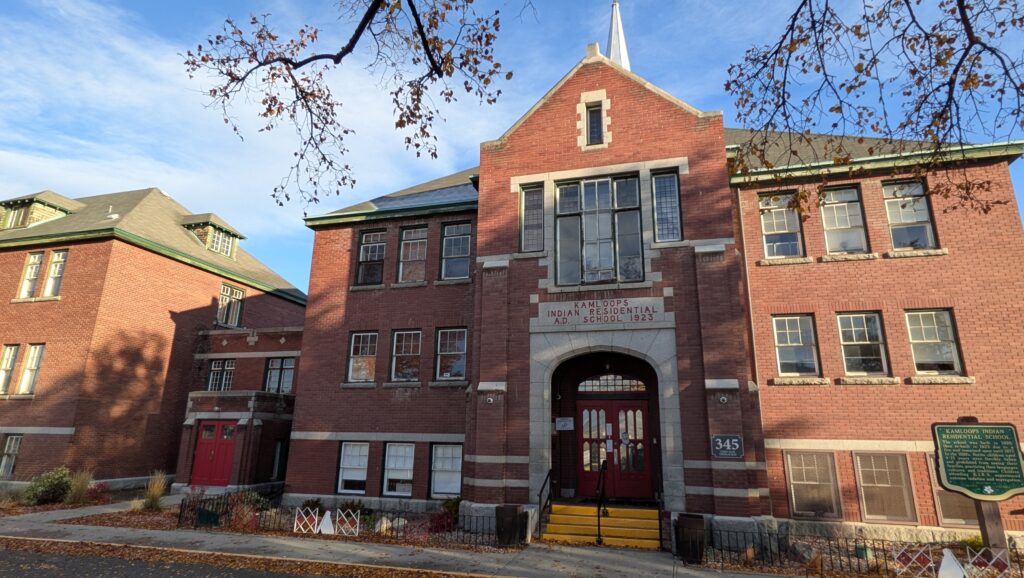
One of the most impactful experiences I had in my Human Rights and Social Justice course was in the Indigenous Ways of Knowing class, when we visited a Residential School. Trying to imagine what each child experienced as we walked through the school was deeply sad and overwhelming. In particular, when I saw the incinerator and knew all the excruciating things that happened there, I could not put them into words. No one should have their childhood destroyed, torn from their parents and loved ones, from their comfort and safety. No one should be ashamed, humiliated, punished, or killed for their language, culture, or beliefs. This moment was truly unforgettable but extremely important, as it is something that can never be erased or forgotten.
After this tour, I watched testimony videos from survivors, and it was heartbreaking. Each story carried profound pain and loss, emotionally, physically, and culturally. Futures were forcibly changed, and psychological traumas have affected generations to this day. Hearing and seeing the anguish in the eyes of Indigenous people who lived through these experiences touched my soul deeply. I could imagine the little children in that cold, terrifying school, without love, care, or their families, and I have no words to express my feelings. Every room, every corner of that school, I could feel pain, despair, but also the resilience of a people who never gave up on being free and true to who they are.
This experience was life-changing; it opened my heart and transformed my perspective. The way I look at and think about Indigenous people, not only in Canada, but also in my country, Brazil, and around the world, has changed and made me realize that their fight is also mine. We must all take accountability for Indigenous people’s rights; only then will it be possible to build a promising and safer future for Indigenous communities.